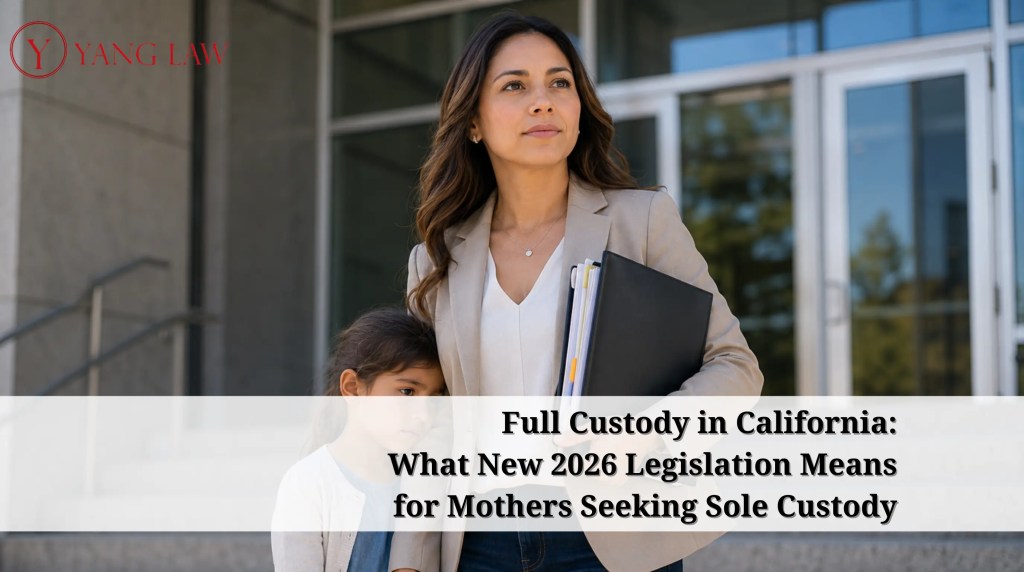
Why California’s Custody Laws Are Shifting — and What It Means for You
In May 2026, California lawmakers advanced legislation that would make it easier to strip alleged rapists of child custody rights. The move signals a broader shift in how Sacramento thinks about protecting children — and it comes at a time when many mothers feel the system is stacked against them.
If you’re researching full custody, you already know the frustration. California law starts from the presumption that frequent contact with both parents serves the child’s best interests, per Family Code § 3020. That presumption can feel like a wall when you’re trying to protect your child.
You’re not alone in feeling overwhelmed. The forms, the court dates, the legal terminology — it’s a lot. And wondering whether pending legislation will change the rules mid-case only adds to the anxiety.
Here’s what we want you to know: you don’t have to figure this out alone. This guide walks you through where California custody law is heading and what the law says right now. We’ll cover the evidence that matters under Family Code § 3011, the domestic violence presumption in Family Code § 3030, and the practical steps you can take today to build your case.
Full custody isn’t about keeping your child from their other parent. It’s about protection — and California courts take that seriously.
What ‘Full Custody’ Actually Means Under California Law
Legal Custody vs. Physical Custody: Two Different Things
When most mothers say “full custody,” they usually mean sole legal and sole physical custody. But California law splits custody into two distinct categories — and you can have one without the other.
Legal custody refers to who makes major decisions about your child’s life. Think schooling, medical care, and religious upbringing. Physical custody is about where your child actually lives day to day. Courts can award sole legal custody with joint physical custody, or any combination in between.
The Starting Point: California Favors Both Parents
Here’s where it gets tricky. California doesn’t start from a neutral position. Family Code § 3040 establishes a preference for awarding custody to both parents jointly first, then to either parent individually. The law assumes that a child benefits from having both parents actively involved.
That presumption can feel frustrating when you’re seeking sole custody. But it’s not insurmountable — it simply means you carry the burden of showing why joint involvement would put your child at risk. Evidence of domestic violence, substance abuse, or neglect can shift that calculus significantly.
Full custody isn’t automatic. It requires proof that protecting your child demands it.
The Factors California Courts Weigh in Custody Decisions
California courts don’t pick favorites. Under Family Code § 3011, judges evaluate specific factors to determine what serves the “best interest of the child.” Understanding these factors helps you know exactly what evidence to gather.
Health and Safety Come First
The court’s primary concern is your child’s physical and emotional well-being. If the other parent’s environment poses risks — whether from substance abuse, neglect, or unsafe living conditions — documented evidence becomes critical. Police reports, CPS records, and medical records all carry weight here.
The Parent-Child Bond Matters
Judges look closely at who has been the primary caregiver. They assess each parent’s relationship with the child, including emotional ties, daily involvement, and caregiving history. A strong, consistent bond strengthens your case significantly.
History of Abuse or Substance Use
Family Code § 3011 specifically requires courts to consider any history of domestic violence or substance abuse. Under Family Code § 3030, a documented domestic violence conviction within the past five years creates a presumption against awarding that parent custody. This is one of the most powerful tools available to protective mothers.
School, Community, and Stability
Courts also weigh your child’s connections to school, neighborhood, and extended family. Disrupting those ties can harm a child’s sense of security. Showing that your household maintains that stability matters.
Building evidence across all these factors — not just one — gives your case its strongest foundation.
Step-by-Step: How to Build Your Case for Full Custody
File the Right Paperwork
Start by filing an FL-300 Request for Order with your local family court. Alongside it, complete the FL-311 Child Custody Application, which lets you specify the custody arrangement you’re seeking and why. These forms kick off the legal process and tell the judge exactly what you’re asking for.
Gather Your Evidence
Documentation is everything. Collect police reports, CPS records, witness statements, and communication logs — especially texts or emails that show concerning behavior. Under Family Code § 3030, a documented domestic violence incident within the past five years creates a rebuttable presumption against awarding that parent custody. That means the other parent must prove they’re safe, rather than you proving they’re not.
Act Quickly If There’s Immediate Danger
If your child faces urgent risk, request an emergency ex parte order. This allows a judge to grant temporary custody without waiting for a full hearing. Time matters when safety is on the line.
Prepare for Mediation and Evaluation
California requires mediation before most custody hearings. You’ll also want to prepare for a possible custody evaluation, where a professional assesses your family dynamic. Stay organized, stay calm, and let your evidence speak.
A skilled family law attorney can help you build the strongest possible case.
What Could Work Against You — and How to Prepare
Common Pitfalls That Weaken Your Case
Even strong custody cases can fall apart over avoidable mistakes. One of the biggest is lacking documented evidence — courts rely on records, not just testimony. Save texts, emails, police reports, and medical records that support your concerns.
Another mistake is appearing uncooperative. Judges notice when a parent resists mediation, misses deadlines, or seems unwilling to co-parent. Under Family Code § 3020, California courts favor frequent and continuing contact with both parents unless contact would endanger the child. Withholding access without a documented safety reason can seriously damage your credibility.
Badmouthing the other parent in front of your child also hurts. Courts consider each parent’s willingness to foster a healthy relationship between the child and the other parent. Speaking negatively about your co-parent can make you look vindictive rather than protective.
Should You Wait for New Laws?
Pending California legislation may make it easier to strip custody rights from alleged abusers. But waiting to file is rarely the right move. If your child needs protection now, the current legal tools — including Family Code § 3030’s presumption against custody for perpetrators of domestic violence — are already available. New laws may strengthen your case if they take effect while it’s pending, but they won’t replace the need for solid evidence and timely action.
When a Mother’s Instinct Becomes Legal Evidence
Maria (not her real name) noticed the signs before anyone else did. Her son came home from weekend visits withdrawn, anxious, and refusing to eat. She asked questions. She got vague answers. Her gut told her something was wrong, but gut feelings don’t win custody cases.
So Maria started writing everything down. She logged dates, took photos of bruises, saved erratic text messages, and documented every unsettling pattern. When she came to our office, she had a folder full of records — exactly what California courts need under Family Code § 3011 to evaluate the “best interest” factors.
We helped Maria file the right forms and shape her evidence into a clear, compelling narrative. The court saw a mother who wasn’t trying to punish her co-parent. She was trying to protect her child. That distinction mattered.
The judge granted sole physical and legal custody. Maria’s story is a reminder that instinct becomes powerful when backed by evidence. Seeking full custody doesn’t make you vindictive. It makes you a parent doing what parents do: keeping their child safe.
Your Full Custody Preparation Checklist
Preparation is where strong custody cases are built. Before you file anything, get organized — courts respond to clear, well-documented evidence far better than emotional appeals.
Here’s what to gather:
- Document every incident with dates, times, and specific details. A contemporaneous log carries more weight than memory alone.
- Save all texts and emails from the other parent. Screenshots, printed threads, and dated correspondence show patterns courts need to see.
- File police reports when warranted. Under Family Code § 3030, a documented history of domestic violence creates a presumption against awarding custody to that parent — but the court needs official records.
- Collect witness contact information from teachers, neighbors, family members, or anyone who has observed concerning behavior.
- Complete required court forms: FL-300 (Request for Order), FL-311 (Child Custody Application), and FL-341 (Child Custody and Visitation Attachment).
- Attend mediation through Family Court Services, which California requires before most custody hearings.
- Maintain a stable home environment with consistent routines, safe housing, and reliable childcare.
Talk to a Lawyer Before You File
Filing without legal guidance can weaken your case before it starts. A family law attorney helps you organize evidence strategically, avoid procedural mistakes, and present your situation the way California judges expect.
You Don’t Have to Navigate This Alone
If you’re reading this with a knot in your stomach, wondering whether your child is safe — we hear you. Seeking full custody isn’t about keeping your child from their other parent. It’s about protecting them when the stakes feel impossibly high.
Elizabeth Yang and our team understand what you’re carrying. We know the California family courts inside and out, from the evidentiary standards under Family Code § 3011 to the domestic violence presumptions in § 3030. More importantly, we understand the fear and uncertainty that come with fighting for your child’s safety.
California’s 2026 push to strip alleged abusers of custody rights signals real progress for protective parents. But legislation takes time, and your child needs safety today. Under Family Code § 3020, the court’s primary concern is always your child’s health, safety, and welfare. That standard hasn’t changed — and it gives you a path forward today, not months from now.
Build your case now. Document everything. File the right forms. Present compelling evidence that meets the standards California judges already apply. The laws may be shifting in your favor, but the foundation for protecting your child already exists in the statutes on the books.
Let’s Talk
Schedule a confidential consultation with Yang Law Offices today. Call us or reach out through our website — we’re ready to listen and help you take the next step.
Legal Disclaimer
This blog post is for informational purposes only and does not constitute legal advice. Every custody case is unique, and outcomes depend on facts specific to your situation. Reading this post does not create an attorney-client relationship with Yang Law Offices. Please consult a licensed California family law attorney for guidance tailored to your circumstances.
Select Sources Cited
- California Family Code § 3020 — Legislative finding: child’s health, safety, and welfare; frequent and continuing contact with both parents
- California Family Code § 3011 — Best interest factors in custody determinations
- California Family Code § 3030 — Custody limitations for persons convicted of domestic violence
- California Family Code § 3040 — Order of preference for custody awards
- California Courts: Child Custody Information — Judicial Branch self-help resources for custody proceedings
- California Courts: Request for Order (Form FL-300) — Official court form for requesting custody orders